.png)
有田焼〜佐賀県有田町〜
 aihara.sauce
【有田焼】
佐賀県の有田町とその周辺地域で製造されている磁器の総称が有田焼ですが、この名称は、とくに明治時代以降に広く用いられるようになったもので、それまでは「伊万里」「肥前」と呼ばれていました。有田焼は日本の磁器として、早くも1650年頃からヨーロッパなどに輸出されており、まだ磁器製造技術が確立されていなかった当時の西洋では、中国や日本で製造されていた磁器は大変な人気となりました。
その磁器製造技術が日本にもたらされたのは1600年頃と言われており、豊臣秀吉の朝鮮出兵のタイミングで朝鮮人の陶工らの渡来が行われたことに始まったようです。有田町の泉山で原料の陶石が発見されたことに始まり、400年後の今日まで、この地域は食器や美術工芸品を中心として生産を続けています。
当時の有田焼は初期伊万里と呼ばれ、とくに1610年代から1660年頃までに作られたものは価値の高い磁器として評価されています。初期伊万里はヨーロッパの王侯貴族の間で流行し始め、広く影響を及ぼしていますから、今日の磁器ブランドを語る際には必ず「IMARI」と呼ばれ愛された有田焼を忘れることはできないでしょう。なぜならドイツのマイセンやフランスの磁器製造技術者たちも、当時の伊万里を大いに研究してきたからです。そして、当時輸出された有田焼の磁器たちは、現在でも世界各地の博物館やお城で鑑賞用に飾られています。それでは、これからいくつかの有田焼の作家作品をご紹介します。
【酒井田柿右衛門作品】
朝鮮陶工の陶土発見後、すぐに有田町に移住した1人に酒井田円西がいます。彼は、息子の喜三右衛門とともに磁器製作を始めましたが、息子の喜三右衛門の赤絵磁器の焼成成功をきっかけにして、柿右衛門を名乗り、それは柿右衛門様式と呼ばれるようになりました。
初代酒井田柿右衛門作品は、赤色系の上絵を乳白色(濁手)の地肌に焼き付ける作風で、それは、のちにマイセンなどでも模倣されました。彼の作品は磁器の発祥地である中国にも逆輸入され影響を与えました。それらは景徳鎮伊万里という作品として有名です。
初代酒井田柿右衛門作品の作風は、広い余白を持つ乳白色の生地に花鳥図などが暖色系で描かれているという特徴を持っています。上絵は赤色、黄色、緑色、青色、紫色、金色などが用いられ、器の口縁に銹釉(さびゆう)が施されていますが、それは鉄釉(てつゆう)の一種で茶色の発色を持っています。同じ有田焼でも、鍋島様式や古九谷様式とは異なって、柔らかくも暖かい雰囲気を感じさせるという特徴が見られます。
また、「濁手」と呼ばれている独特の乳白色の地色は、釉薬に赤を用いることによって、非常に映えて見えますが、大量に生産できないという難しい技術でした。
典型的な図柄には「岩梅に鳥」「もみじに鹿」などがあり、初期のものは明赤絵の影響を感じさせますが、その特色は時代とともに変化していき、狩野派、土佐派、などの影響を感じさせる作風が見られるようになりました。
柿右衛門作品の様式は初期柿右衛門・中期柿右衛門・後期柿右衛門と大まかに区別されていますが、初代柿右衛門から4代柿右衛門までの間を初期柿右衛門、17世紀後半から18世紀前半にかけての約90年間、5代目から7代目までが中期柿右衛門、そして、18世紀前半から19世紀にかけて、染付の磁器を製造した時代を後期柿右衛門と読んでいます。とくに7代目から8代目にかけて作られた作品には「角福(四角の中に福の字が入っている)」と呼ばれるマークが施されたものが多く、それで初期右衛門との違いを見分けることもできます。
【奥川忠右衛門作品】
近代有田の大物陶芸家といえば、この奥川忠右衛門が有名ですが、白磁の大型つぼ製作技術を持ち、大物白磁などを中心として多岐にわたる作品群がありますが、常に一貫して白磁にこだわった作品づくりが特徴です。
初代奥川忠右衛門は大正から昭和にかけて活躍し、蹴(け)ろくろのみを使用して作品を作り続けました。その偉大な白磁の技術は、のちに井上萬二作品にも多大な影響を与えています。有田焼大物成形ろくろ師として伝統工芸展最高賞を授与された初代のあとを継いで、現在は2代目がその技術を受け継ぎ、白磁にこだわり、初代同様、作品を作り続けています。
クラフトマンシップにあふれたものづくりの作風は、白磁でありながらも、どこか暖かさを感じさせ、そうした初代奥川忠右衛門の特色はいろいろな作品にも色濃く反映されていますが、それは国内のみならず海外でも多くの愛好家に高く評価されています。
【井上萬二作品】
有田町が生んだ近代の偉大な陶芸家の一人が、この井上萬二です。窯元の家に生まれ、13代目の酒井田柿右衛門の元で修行を重ねました。同じ有田町の奥川忠右衛門作品に大変な衝撃を受けたのちに、その門下生となり、白磁作りやろくろ技法を習得しました。独自の意匠や釉薬の研究に励み、ペンシルベニア州立大学から有田焼の講師としても招かれています。
ドイツなどでの個展、2002年3月のモナコ国王の在位45年記念の展覧会に出展などと、その活躍は多岐にわたってきました。華やかな絵付けが中心の有田焼の作品群の中で、ひたすら白磁に徹するという独特の作風を守り続けてきました。その評価は高く、1995年5月31日に重要無形文化財「白磁」保持者に認定され、1997年には紫綬褒章を受章しています。
その活躍と影響力は世界的で、教え子は500人以上、また、アメリカでも150人を超えており、さらに後進育成にも力を注いでいます。
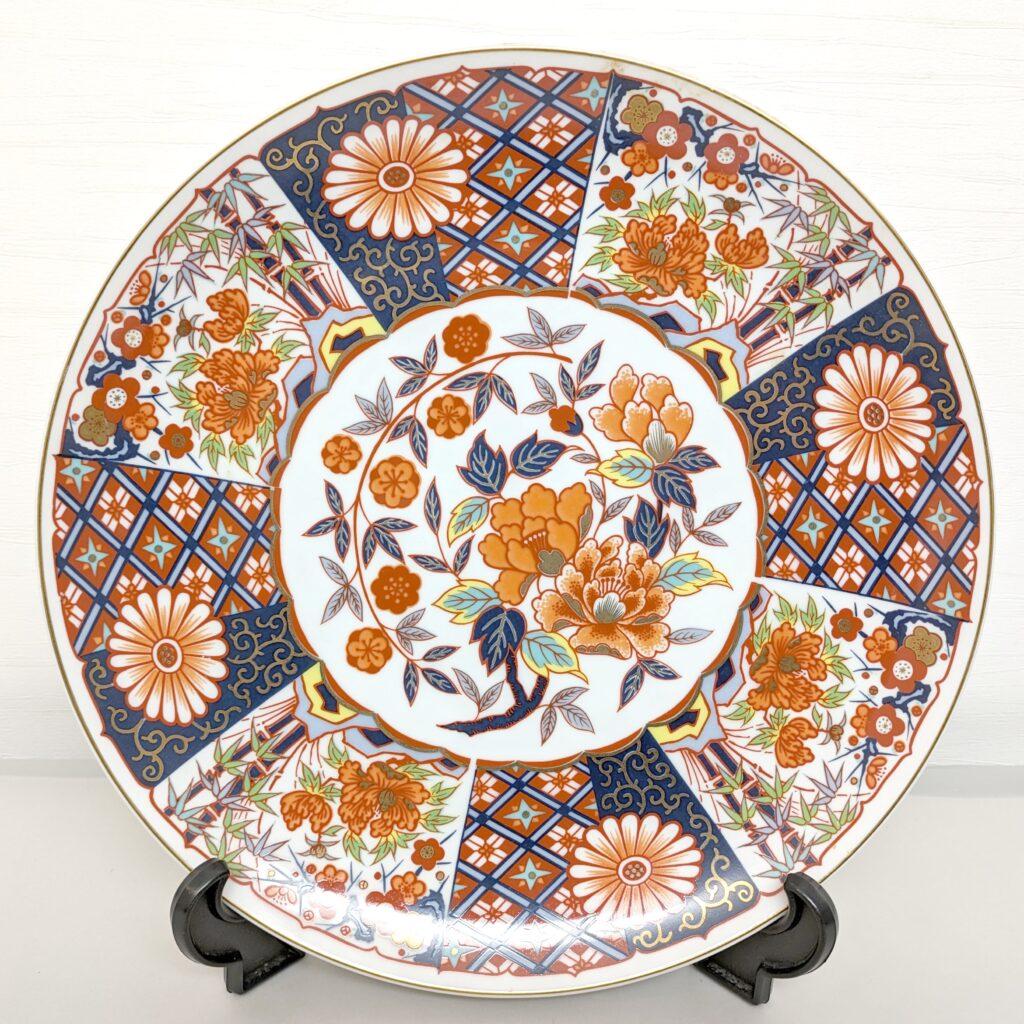
[Arita ware]
Arita ware is a general term for porcelain manufactured in Arita town and the surrounding areas of Saga Prefecture. This name became widely used, especially after the Meiji era; before that, it was called "Imari" or "Hizen." Arita ware, as a form of Japanese porcelain, was exported to Europe and other regions as early as 1650. In the West, where porcelain manufacturing technology was not yet established, porcelain produced in China and Japan was extremely popular.
It is said that this porcelain manufacturing technology was introduced to Japan around 1600, coinciding with the arrival of Korean potters during Toyotomi Hideyoshi's invasion of Korea. Starting with the discovery of kaolin, the raw material, at Izumiyama in Arita town, this region has continued production, primarily of tableware and art crafts, for 400 years to the present day.
Arita ware from that period is called early Imari, and pieces made between the 1610s and around 1660 are particularly highly valued. Early Imari porcelain became popular among European royalty and nobility, influencing a wide range of trends. Therefore, when discussing porcelain brands today, it's impossible to forget Arita ware, affectionately known as "IMARI." This is because German Meissen and French porcelain manufacturers extensively studied Imari ware of that era. Furthermore, Arita ware exported at that time is still displayed in museums and castles around the world. Now, let's introduce some works by Arita ware artists.
[Works by Sakaida Kakiemon]
One of the people who moved to Arita immediately after the discovery of clay by Korean potters was Sakaida Ensei. He began producing porcelain with his son, Kisaburo, and after Kisaburo's successful firing of red-painted porcelain, he adopted the name Kakiemon, which became known as the Kakiemon style.
The works of the first Sakaida Kakiemon were characterized by their style of firing red-based overglaze decoration onto a milky white (nigoshide) base, a style later imitated by Meissen and other porcelain manufacturers. His works were even re-imported to China, the birthplace of porcelain, and influenced the country. These pieces are famously known as Jingdezhen Imari porcelain.
The style of the first Sakaida Kakiemon is characterized by warm-colored depictions of flowers and birds on a milky white base with ample negative space. The overglaze uses red, yellow, green, blue, purple, and gold, and the rim of the vessel is finished with a rust glaze (sabiyu), a type of iron glaze that gives it a brownish hue. Unlike other Arita ware styles such as Nabeshima and Ko-Kutani, his work has a soft and warm atmosphere.
Furthermore, the unique milky white base color, known as "nigoshide," is strikingly beautiful when red is used in the glaze, but it was a difficult technique that prevented mass production.
Typical designs include "rock plums and birds" and "maple leaves and deer." Early works show influences of Ming dynasty red porcelain, but its characteristics changed over time, and styles influenced by the Kano and Tosa schools became apparent.
Kakiemon porcelain is broadly categorized into Early Kakiemon, Mid-Kakiemon, and Late Kakiemon. Early Kakiemon covers the period from the first to the fourth Kakiemon; Mid-Kakiemon covers approximately 90 years from the late 17th to the early 18th century, from the fifth to the seventh Kakiemon; and Late Kakiemon covers the period from the early 18th to the 19th century, when blue and white porcelain was produced. Works produced between the seventh and eighth generations often bear a mark called "Kakufuku" (a square with the character for "fortune" inside), which can be used to distinguish them from Early Kakiemon.
[Works of Okugawa Chūemon]
When it comes to prominent modern Arita potters, Okugawa Chūemon is famous. He possesses the technique of producing large white porcelain vases, and his diverse body of work, primarily focusing on large white porcelain pieces, is characterized by his consistent dedication to white porcelain.
The first Okugawa Chūemon was active from the Taisho to Showa periods, continuously creating works using only a kick wheel. His great white porcelain technique later had a significant influence on the works of Inoue Manji. Following in the footsteps of the first generation, who was awarded the highest prize at the Traditional Crafts Exhibition as a master of large-scale Arita ware shaping using a kick wheel, the second generation continues to carry on his techniques, maintaining a commitment to white porcelain and creating works just like his predecessor.
His craftsmanship-filled style, while using white porcelain, evokes a certain warmth. This characteristic of the first Okugawa Chūemon is strongly reflected in his various works, and is highly regarded by many enthusiasts both domestically and internationally.
[Works of Manji Inoue]
Manji Inoue is one of the great modern ceramic artists born in Arita Town. Born into a family of potters, he trained under the 13th generation Kakiemon Sakaida. After being deeply impressed by the works of Chūemon Okugawa, also from Arita Town, he became his disciple, mastering white porcelain making and pottery wheel techniques. He dedicated himself to researching his own unique designs and glazes, and was invited to lecture on Arita ware at Pennsylvania State University.
His activities have been diverse, including solo exhibitions in Germany and other countries, and participation in the exhibition commemorating the 45th anniversary of the reign of the King of Monaco in March 2002. Amidst the predominantly flamboyant painted Arita ware, he has consistently maintained a unique style, focusing solely on white porcelain. His work is highly regarded; on May 31, 1995, he was designated a holder of the Important Intangible Cultural Property "White Porcelain," and in 1997, he received the Medal with Purple Ribbon.
His achievements and influence are global, with over 500 students, including more than 150 in the United States, and he is also dedicated to nurturing the next generation of talent.