.png)
お箸の歴史をご存知ですか
 aihara.sauce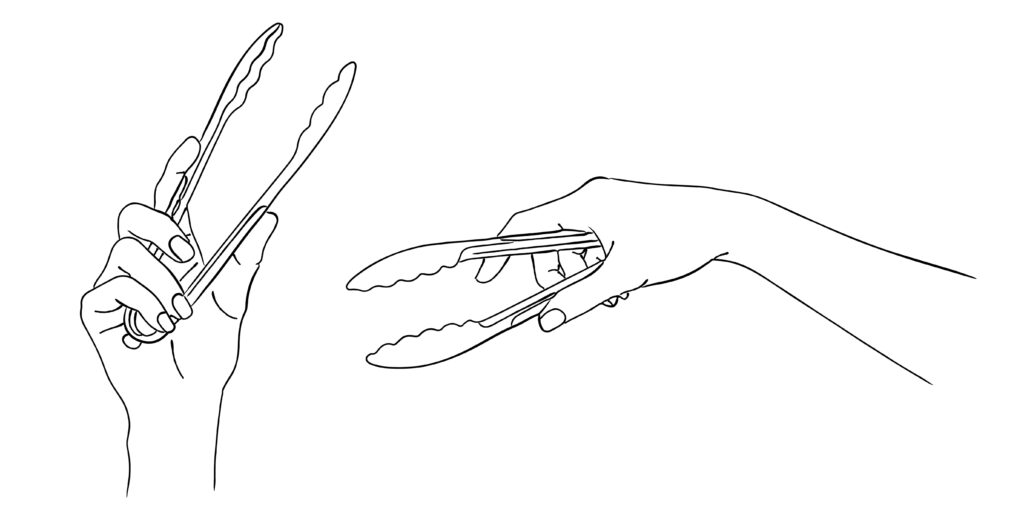
箸の歴史は3000年以上前の中国で始まり、熱いものを掴む道具として普及しました。日本には弥生時代に祭祀用の「トング型」が伝わり、飛鳥・奈良時代に聖徳太子が遣隋使を通じて食事用として導入し、一般化したとされています。日本の箸は箸先が細く、箸のみで食事をする点が大きな特徴です。
箸の歴史的な発展と特徴
起源(古代中国): 約3000年前の中国殷(いん)時代、青銅製の箸が発掘されており、熱い料理を取り分けるために使われ始めた。
日本への伝来(弥生・飛鳥時代): 弥生時代には神様にお供えをするための「竹を半分に折ったピンセット状の箸(折箸)」が存在した。7世紀に遣隋使・小野妹子が持ち帰ったことをきっかけに、飛鳥・奈良時代にかけて食事の道具として普及し始めた。
生活への浸透(平安〜鎌倉時代): 平安時代には貴族の間で箸が一般化し、鎌倉時代には匙(さじ)を使わず、箸だけで食事をするスタイルが確立された。
独自文化の形成(江戸時代): 江戸時代中期に塗箸が普及し、後期には飲食店などで「割り箸」が使われ始めた。
日本独自の「箸文化」: 箸先が細いのが特徴で、素材は木や竹が一般的。箸は「神と人をつなぐ」と考えられ、現在も食前には「いただきます」と感謝を伝える。
世界の箸事情
中国、韓国、台湾、ベトナムなど約28%の地域で箸が使われている。
韓国では「金属製の箸と匙」を併用する文化が主流だが、日本は箸のみを使う独自の食文化である。
箸の持ち方が江戸時代に「形」作られた理由
江戸時代以前は、身分や地域、あるいは食べているものによって持ち方はバラバラでした。それが江戸時代に整えられ始めたのには、いくつかの社会的背景があります。
- 「割箸」と「外食文化」の普及
江戸時代中期、江戸の街では「屋台(外食)」が爆発的に流行しました。そこで割箸が登場し、不特定多数の人が人前で食事をする機会が増えたことで、「見苦しくない持ち方」という意識が芽生え始めました。 - 漆器(塗箸)の一般化
ご提示の通り、江戸中期に塗箸が普及しました。滑りやすい塗箸を上手に扱うためには、指の関節を細かく使う「現在の持ち方」が最も合理的であったため、自然とスタイルが収束していきました。 - 「しつけ」としての定着
江戸時代後期になると、庶民の間でも「礼儀作法」が重んじられるようになります。女子の教育として、箸の上げ下げや持ち方が「家庭内でのしつけ」の重要な項目になりました。
明治時代:「正しい」という概念の確立
「これが唯一の正しい持ち方である」という強い規範意識が生まれたのは、明治時代の「家政学」や「学校教育」の普及によるものです。
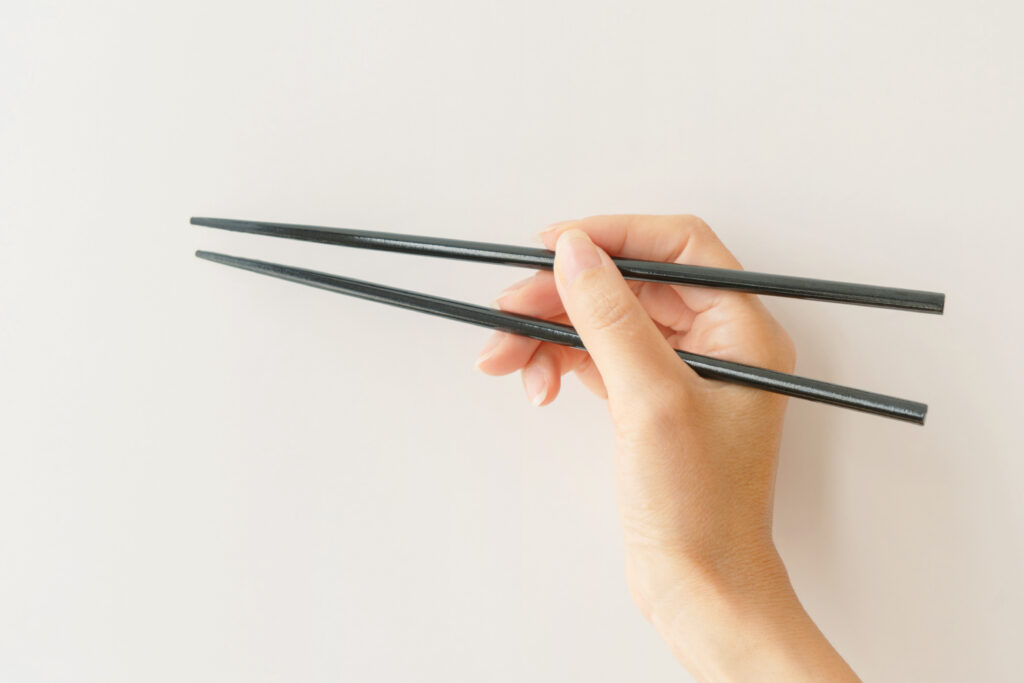
教科書の登場: 文部省が発行する教科書や、家庭科教育の中で「正しい箸の持ち方」が図解入りで示されるようになりました。
衛生と礼儀: 国家として国民の質を高めるため、食事の作法が統一されたマナーとして指導されるようになりました。
The History of Chopsticks and the Establishment of "Proper" Form
- The Origins and Evolution in Japan
Ancient China (Over 3,000 years ago): Chopsticks originated during the Yin Dynasty as bronze tools used primarily for handling hot food.
Introduction to Japan: During the Yayoi period, they were used as "tweezer-shaped" bamboo tools for religious rituals. It wasn't until the 7th century that Ono no Imoko, an envoy to Sui China, brought back the custom of using them as dining utensils, which then spread during the Asuka and Nara periods.
Unique Japanese Style: By the Kamakura period, the Japanese established a unique dining style using only chopsticks (abandoning the spoon). This led to the development of chopsticks with tapered tips, specialized for tasks like deboning fish.
- Why the "Proper Grip" was Formed in the Edo Period
The standardized way of holding chopsticks—often considered "proper" today—took shape during the mid-to-late Edo period due to several social factors:
Rise of Eating Out and Disposable Chopsticks: With the boom of food stalls (Yatai) in Edo, dining became a public activity. This fostered a social awareness of "dining etiquette" to avoid looking unsightly in front of others.
The Popularization of Lacquerware (Nuri-bashi): Lacquered chopsticks are slippery. The modern grip, which utilizes finger joints for precise control, emerged as the most functional way to handle these smooth utensils.
Discipline and Education: By the late Edo period, etiquette became a key part of home discipline and "shitsuke" (upbringing), especially in the education of young women.
- The Meiji Era: Establishing the Concept of "The Only Correct Way"
The rigid idea that there is one "ideal" way to hold chopsticks was solidified through the national education system and Home Economics in the Meiji era.
Introduction of Textbooks: The Ministry of Education began using illustrated textbooks to show the "correct" grip.
Hygiene and Manners: As part of a national effort to modernize and improve public manners, chopstick etiquette was standardized and taught as a basic requirement for all citizens.
Summary
While chopsticks have a history of over 3,000 years, the specific "correct grip" we know today is a relatively modern standard—shaped by the functional needs of the Edo period and codified by the school system of the Meiji era.